Online acne treatment: same-day prescriptions available
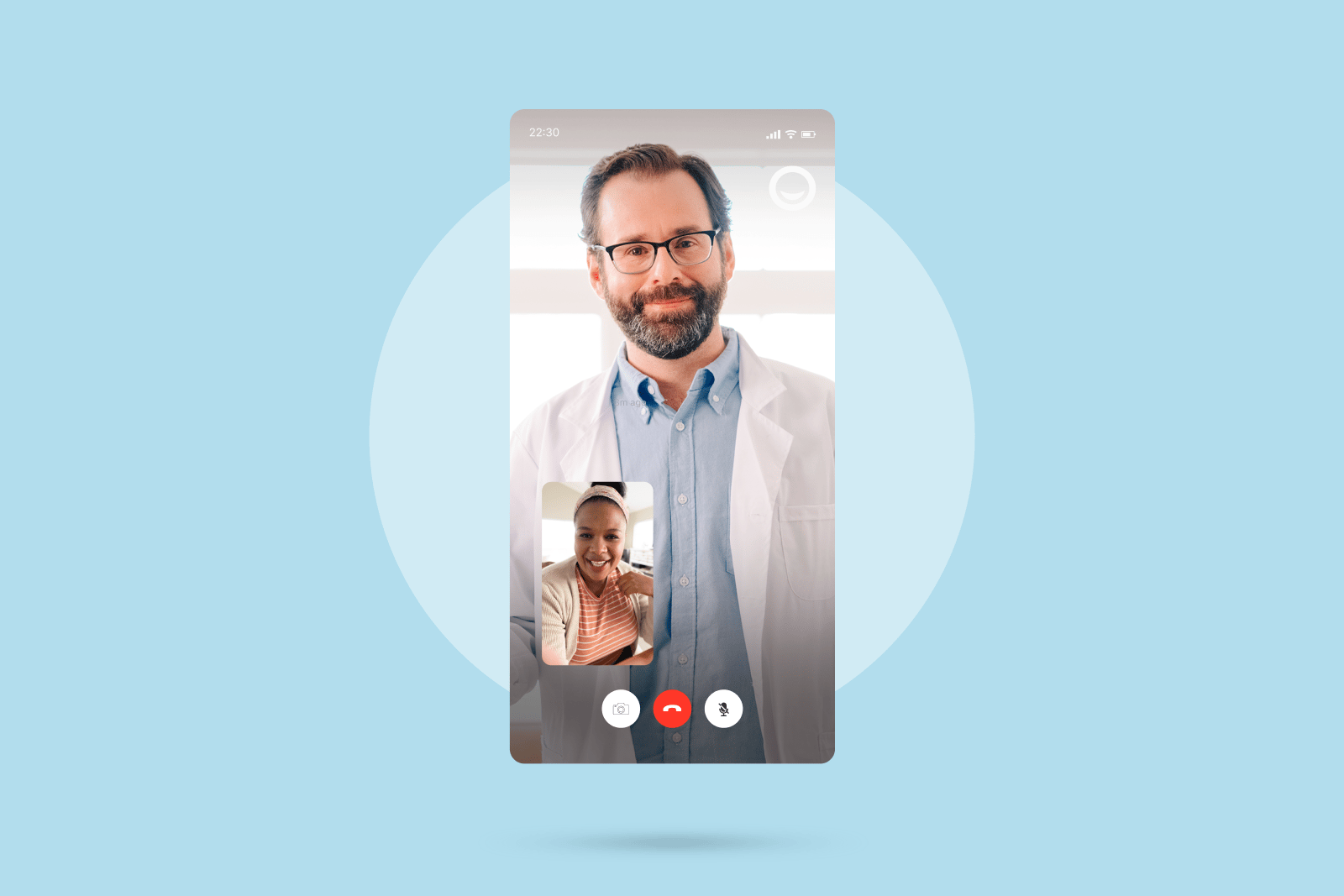
Speak to a trusted, board-certified primary care doctors about getting acne treatment online in as little as 15 minutes. Get a new prescription for acne or refill an existing prescription today.*


*Prescriptions are provided at the doctor's discretion. Learn more about our controlled substances policy and how to save up to 80% with our prescription discount card. PlushCare doctors cannot treat all cases of acne. Please note that we are unable to prescribe oral isotretinoin such as Accutane at PlushCare. Our primary care physicians can conduct an initial evaluation of your symptoms but may need to refer you to a specialist or for in-person treatment. If you are experiencing life-threatening symptoms, seek emergency medical attention immediately.
Learn about acne
Acne, also referred to as acne vulgaris, is a skin condition that develops when skin pores become clogged. The skin's sebaceous (oil) glands release oils (sebum) onto the skin surface through the hair follicles, to keep the skin moist. The hair, oil, dead skin cells, and bacteria can block the pores. The acne-causing bacteria in the clogged pores can grow on the mix of oil and dead skin cells, triggering the body's immune system and causing inflammatory acne.
There are many types of acne, such as blackheads, whiteheads, papules, cysts, etc. Acne is one of the most common skin conditions and mainly develops in teenagers and young adults undergoing hormonal changes, but acne can also show up in adults.
Acne causes
There are many potential causes of acne. Below, they are discussed in greater detail.
Hormones
Hormones can provide a good explanation as to why acne commonly affects teenagers (hormonal acne). Particularly during puberty, the androgen hormones cause the sebaceous glands to enlarge and produce more oil. This oil can clog pores, leading to the build-up of dirt and acne-causing bacteria that cause pimples and hormonal acne outbreaks.
In addition to the rising hormone levels during puberty, other changes to the body can also cause hormonal acne, including:
-
A woman’s menstrual cycle
-
Pregnancy
Medications
Certain medications can cause or worsen acne. Some known examples are:
-
Corticosteroids - Acne due to corticosteroids is also called steroid acne. Steroid acne can happen to bodybuilders who use high-dose anabolic steroids and also in patients who were prescribed corticosteroids.
-
Lithium - This medication has been prescribed for the treatment of depression and bipolar disorder. However, a common side effect of lithium is inflammatory acne.
-
Barbiturates - This group of sedatives is used for the treatment of seizure disorder, insomnia, and anxiety. Acne breakouts are a side effect of barbiturates.
If you are concerned about acne outbreaks, ask your doctor about possible alternative treatments.
Diet
A few small studies have found that switching to a low glycemic diet from a high glycemic one can reduce acne outbreaks. Fresh vegetables, fruits, and beans are examples of low glycemic foods. Potato, bread, rice, and sugary drinks are examples of high glycemic foods. When you consume high amounts of high glycemic food, your blood sugar spikes, causing inflammation throughout your body. As your blood sugar spikes, it also triggers your body to increase oil production in your skin. A combination of inflammation and increased oil production can lead to acne. However, note that no studies have established a connection between a high-glycemic diet and acne.
While it is not known why, some studies have shown cow's milk (whole, low-fat, and skim) consumption to be related to acne.
Contrary to popular belief, greasy foods have little to no effect on acne. However, handling greasy foods in environments like a kitchen increases your chances of getting some oil stuck to your skin which can cause irritation and acne.
Family history
Pressure on skin
The use of phones, helmets, collars, backpacks, or sports equipment can all worsen acne.
Acne mechanica is a type of acne that occurs due to friction and pressure on the skin, and typically affects athletes. When an athlete's sports equipment or clothing constantly rubs against heated and sweaty skin, the skin becomes irritated. For athletes with existing acne or acne-prone skin, the skin irritation can trigger acne breakouts. Below are a few examples:
-
Cycling equipment, such as the helmet
-
Golf equipment, specifically the golf bag strap
-
Football equipment, including the helmet, chin strap, shoulder pads, or other protective gear
Acne symptoms
Acne can appear as the following on your skin:
-
Pimples without abscesses
-
Pus-filled cysts
While these can appear anywhere on the body. they tend to appear in the following areas with a high concentration of oil glands:
-
Face
-
Neck
-
Shoulder
-
Chest
-
Upper back
When you have acne, you can develop any (or a combination) of these breakouts on your skin:
-
Whiteheads - pimples with a small white pus-filled top
-
Blackheads - pimples with black top
-
Nodules - large pimples that are deep and painful
-
Cysts - pus-filled pimples that are deep and painful
Acne can also cause the following long-lasting effects:
-
Acne scars - Sometimes after an acne outbreak clears, it can leave acne scars on the skin.
-
Dark spots - After an acne outbreak clears, dark spots can remain in places where the acne once was.
How to treat acne
*Please note that we are unable to prescribe oral isotretinoin such as Accutane at PlushCare.
Acne medication
Topical treatments
-
Benzoyl peroxide - Common brand names of topical benzoyl peroxide include Clearasil, Stridex, and PanOxyl. This topical medication targets surface bacteria. A common side effect people have reported is irritation and dry skin in the application areas.
-
Salicylic acid face wash - Salicylic acid removes dead skin cells and prevents clogged hair follicles. This topical medication is available over-the-counter.
-
Tretinoin (Retin-A) - Topical retinoid (vitamin A derivatives) works by breaking up blackheads and whiteheads and preventing the formation of new pimples. A common side effect of this topical retinoid is irritation and dry skin in the application areas.
-
Antibiotics - Topical antibiotics work by controlling bacteria growth on the skin surface. Examples include clindamycin and erythromycin. Topical antibiotics together with topical benzoyl peroxide are effective acne treatments.
Oral antibiotics
These prescription tetracycline antibiotics can be taken orally to treat moderate acne to severe acne:
Birth control pills
For women, birth control pills can be an effective form of prescription acne treatment. Particularly, a few FDA-approved birth control pills (for acne patients) have been shown to be effective in controlling breakouts associated with menstrual cycles. A few examples are Estrostep, Beyaz, Yaz, and Ortho Tri-Cyclen.
How to prevent acne
As acne is related to hormonal changes, prevention can be very difficult. However, avoiding certain substances may help. Examples of medicines to potentially avoid include: corticosteroids, lithium, and barbiturates. Please discuss with your physician if you think your medication may be contributing to your acne and whether it would be suitable to find an alternative medication.
In addition, performing certain hygiene routines daily can help:
-
Wash your face daily with facial cleanser
-
Do not touch your face unnecessarily
When to see a doctor for acne
See a doctor as soon as you notice the pimples so that you can get diagnosed and begin effective acne treatments. Early treatment can prevent mild acne from developing into severe acne that causes scars.
Acne treatment FAQs
What is the best acne treatment?
There is no one best acne treatment. What works for you will depend on the cause and type of acne you have. That said, there are many effective methods of acne treatment including, face washes, creams, serums, and prescription medications, both oral and topical. Speak to one of our doctors online to find out what may be an effective treatment for you. Some commonly used treatments include soap and water, cleansers, benzoyl peroxide, and salicylic acid.
What is the best medicine for acne?
Depending on the type of acne, your doctor will prescribe the appropriate medicine. There are prescription oral antibiotics for treating moderate acne to severe acne such as doxycycline and Minocin (minocycline), which are usually recommended in conjunction with topical medicals, such as benzoyl peroxide, salicylic acid, and topical retinoids. For women, birth control pills can be effective in controlling breakouts associated with menstrual cycles.
How can I clear up acne fast?
In many cases, there is no one treatment that will magically clear your skin. Identifying the type of acne and treating that will yield the best results. Our board-certified primary care physicians can help you figure out the best treatment approach.
What birth control is best for acne?
Birth control pills can be effective in controlling breakouts associated with menstrual cycles. The FDA has approved the following types of birth control for acne: Estrostep, Beyaz, Yaz, and Ortho Tri-Cyclen.
Does insurance cover acne treatment?
This depends on your insurance coverage. Always check with your insurance provider before beginning treatment options.
Does acne go away naturally?
Pimples can go away on their own from 1 week to 1 month or so. However, for moderate to severe acne, it is advisable to seek treatment with a medical professional as soon as possible to treat acne and prevent acne scars.
3 simple steps to request your acne prescription today

Book an acne treatment appointment.
Book a same day appointment from anywhere.
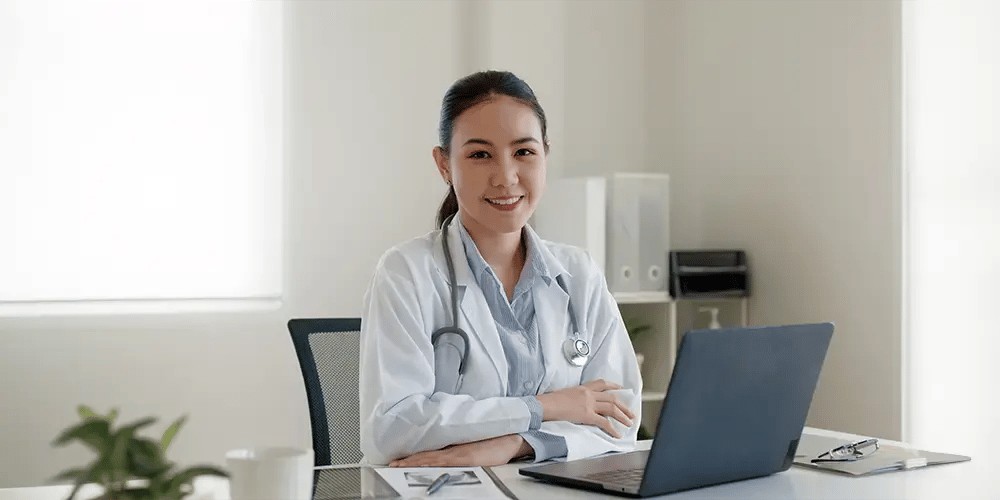
Talk to a top-rated doctor about your acne symptoms.
Visit with a physician on your smartphone or computer.
If prescribed, pick up a prescription for acne treatment.
We can send online acne prescriptions to any local pharmacy.
Related Conditions that may present similarly to acne
Below are a few other skin conditions that are commonly mistaken for acne.
Folliculitis
Eczema (atopic dermatitis)
Rosacea
Rosacea is a skin condition that presents itself as small, red, pus-filled bumps on the face, usually in a very characteristic pattern across the bridge of the nose and on both cheeks. It can be accompanied by visible blood vessels on the skin, and certain forms of rosacea can present with red and swollen eyelids.
Staph
The staph bacteria Staphylococcus aureus can be commonly found on our skin. Staph infections can present as large, painful bumps that look like acne.
Perioral dermatitis
This is a condition that causes a rash around the mouth that can sometimes resemble acne, but has a treatment completely different from acne.
Sebaceous Hyperplasia
This benign condition usually comes about with age and causes small bumps on the face that are usually yellow or flesh colored.
Acne treatment pricing details
To request acne treatment and get a new or refill on your prescription, join our monthly membership and get discounted visits
30 days of free membership
- Same-day appointments 7 days a week
- Unlimited messages with your Care Team
- Prescription discount card to save up to 80%
- Exclusive discounts on lab tests
- Free memberships for your family
- Cancel anytime
Paying with insurance
Membership
$19.99 /month
First month free
Visits
Copay
Visit price with insurance
Often the same as an office visit. Most patients with in-network insurance pay $30 or less!
We accept these insurance plans and many more:



Paying without insurance
Membership
$19.99 /month
First month free
Visits
$129
Visit price without insurance
Acne treatment online resources
Sources:
PlushCare is dedicated to providing you with accurate and trustworthy health information.
-
Cleveland Clinic. “Acne: Symptoms, Causes, Diagnosis, Treatment.” Cleveland Clinic, Accessed October 11, 2023, https://my.clevelandclinic.org/health/diseases/12233-acne
-
American Academy of Dermatology. “Acne: Causes.” American Academy of Dermatology, Accessed October 11, 2023, https://www.aad.org/public/diseases/acne/causes/acne-causes
-
Johns Hopkins Medicine. “Acne.” Johns Hopkins Medicine, Accessed October 11, 2023, https://www.hopkinsmedicine.org/health/conditions-and-diseases/acne
-
National Institutes of Health (NIH). “Understanding Acne.” NIH News in Health, Accessed October 11, 2023, https://newsinhealth.nih.gov/2010/01/understanding-acne
PlushCare content is reviewed by MDs, PhDs, NPs, nutritionists, and other healthcare professionals. Learn more about our editorial standards and meet the medical team. The PlushCare site or any linked materials are not intended and should not be construed as medical advice, nor is the information a substitute for professional medical expertise or treatment.